Jason Sonderman, UXMC, CPACC

Multiple lenses. One conviction.

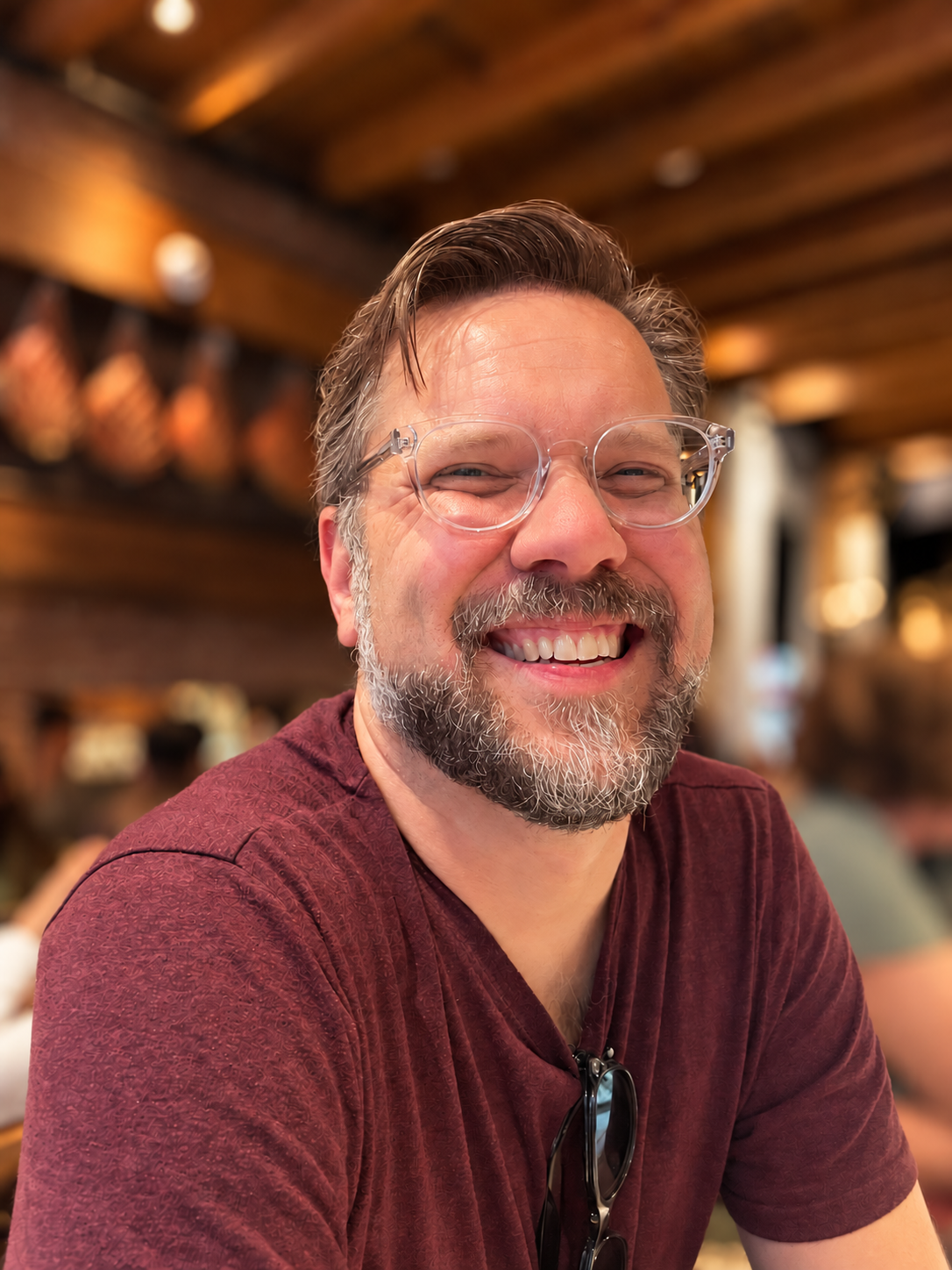
I'm Jason Sonderman, Head of UX — a design leader with twenty years of evidence about how UX creates real value for software, and enough practice operating in partial certainty to know the difference between incomplete research and research that's telling you something you haven't asked yet.

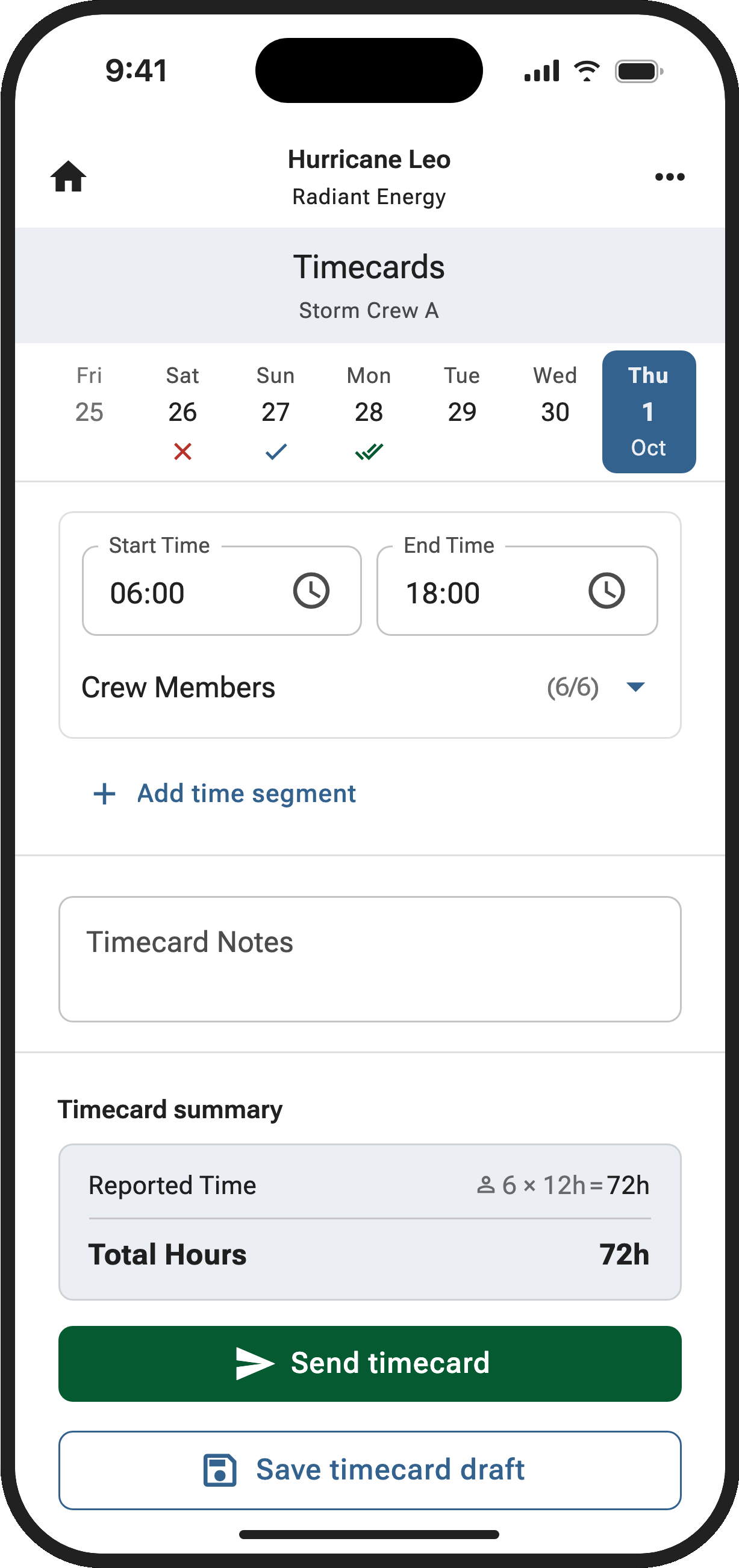
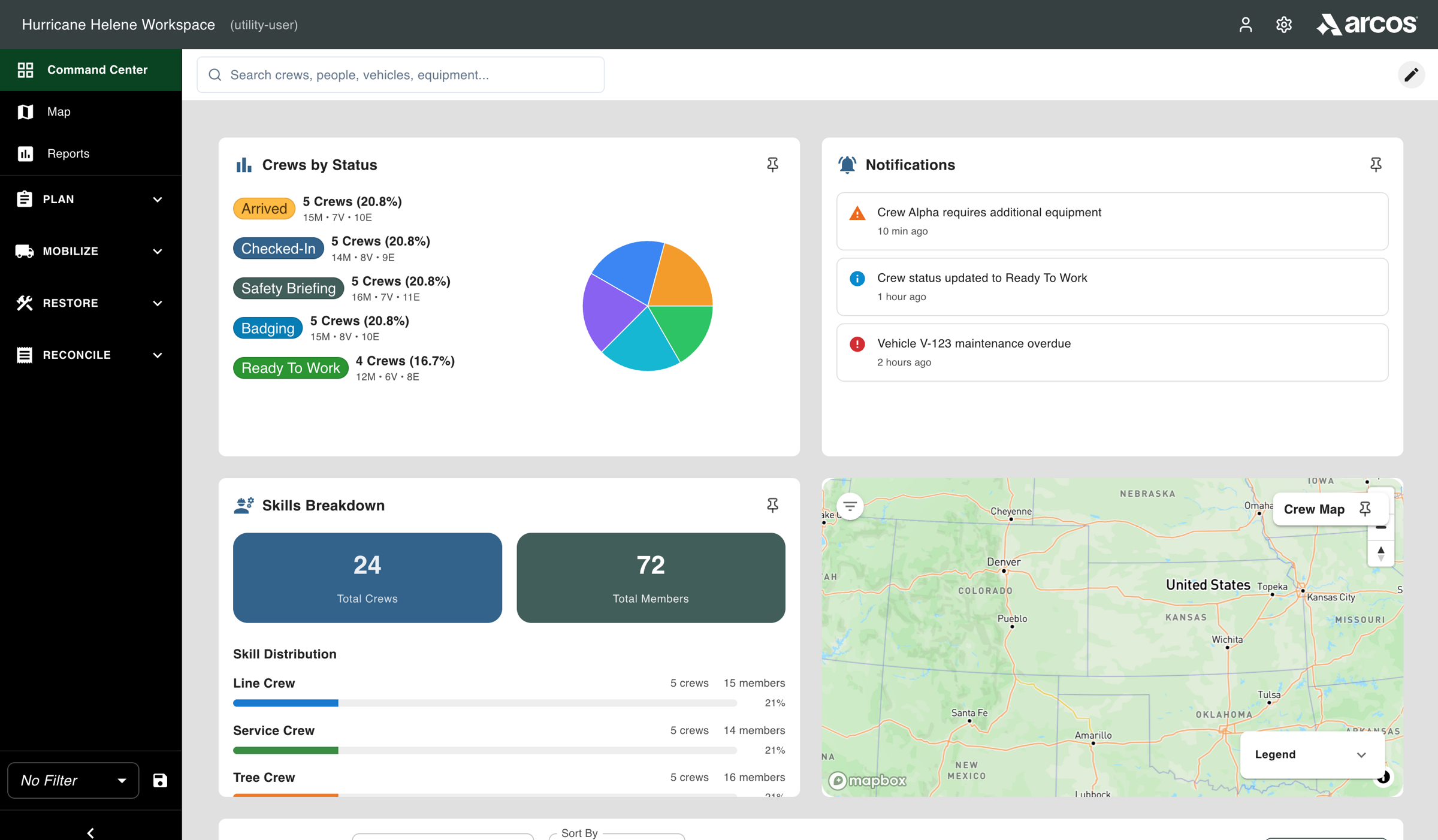
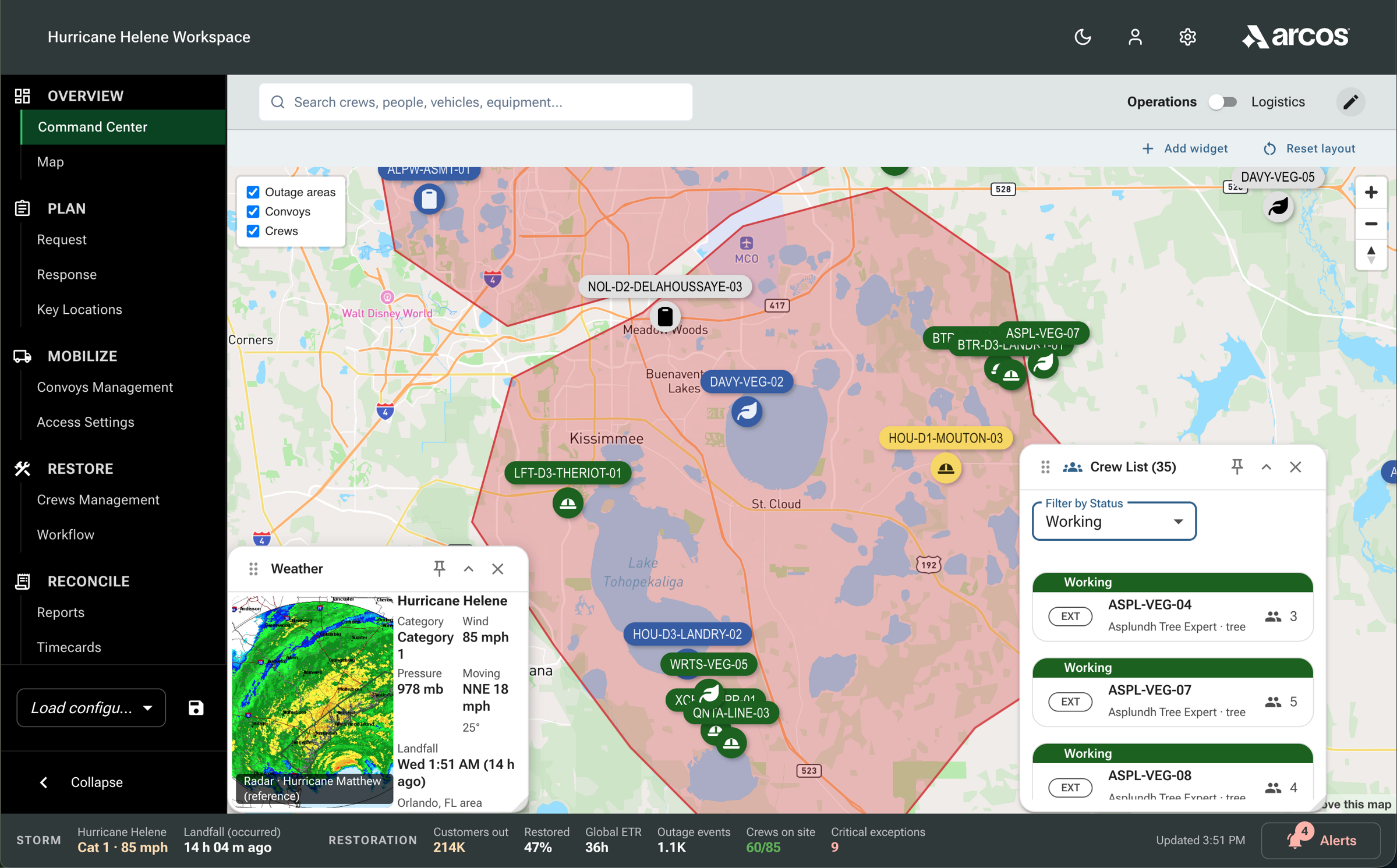
At ARCOS, I built a team and a delivery model from the ground up. We move from discovery through design to draft front-end code entirely within the UX function — cutting the kickoff-to-handoff window from two weeks to three days, because the speed the work demanded left no other responsible option.

That approach isn’t something I learned from a methodology. It came from leading teams across India, Poland, Belgium, and the US — and from a faith practice rooted in holding traditions in tension rather than collapsing them. My faith in Jesus Christ is the foundation. In theology and in UX, the practice is the same: hold multiple lenses, and pay attention to what the intersection reveals.

  • NNG UX Master Certification Badge
  • IAAP CPACC certification badge

“…Always go a little further into the water than you feel you’re capable of being in. Go a little bit out of your depth, and when you don’t feel that your feet are quite touching the bottom, you’re just about in the right place to do something exciting.”

— David Bowie

My Values

These aren’t rules I follow. They’re how I think. They came from years of leading creative teams, learning from failure, and paying attention to what actually makes collaboration and craft work. I’ve held onto these because they’ve held up.

There are no bad waves

We can’t control the speed or size of the wave — we can only commit to riding what comes. Great leaders don’t wait for perfect conditions. They take what’s given and see it all the way through.

Can’t be halfway

Partial investment produces partial results. I expect full commitment from myself and I work to create conditions where teams can bring their whole selves to hard problems.

No simple problems

When you think you’ve defined a problem, dig deeper. The real challenge is almost always underneath the presenting one. This is why research isn’t optional — it’s the foundation.

Failure is an outstanding teacher

Innovation lives beyond the edges of what’s known and safe. I push teams toward the edges, not away from them — with the conviction that what you learn from a failed attempt is often more valuable than a cautious success.

Break things to make better things

Nothing is too sacred to question, including our own assumptions. If something can’t survive being taken apart and rebuilt, it was flawed to begin with. This applies to systems, processes, and designs alike.

No mistakes, only opportunities

A mistake is a good idea in the wrong context. When I see a team member stumble, the question isn’t what went wrong — it’s what we can learn and build on.

Yes, and…

Borrowed from improv, essential to leadership. When someone brings an idea into the room, validate it and build on it. The magic in any collaboration lives in the space between perspectives.

Be a great listener

Really listen. Not to formulate your response, but to understand. Every person in the room has seen something you haven’t. That’s the whole point of having a room.

Don’t bail on your partner

Support your team. Sometimes that means being the loudest voice; sometimes it means being in the background. Either way, you show up fully and you don’t leave people hanging.

Featured Case Studies