Hands-on craft, in three stops
I chose Arcos Control Tower and Timecards to show how early research became a working product direction and testing changed a prototype. The Harmony stop points to its selected account.
The craft here is turning a kickoff’s sticky notes into a service blueprint, and the blueprint into a platform that follows the storm. The fieldwork across 14 sites came later and sharpened it.
Arcos, IncHow a service blueprint from the kickoff turned a planned UI refresh into a platform built around the storm, what it took to ship that through two rounds of scope cuts, and what 2.5 months of fieldwork across 14 utility sites added afterward.
I built the prototype people tested at the Linemen’s Rodeo. What linemen and foremen did with it changed entry from one person to a whole crew and made the work order required, before production code was written.
Arcos, IncA lineman kept a paper notebook to check his time entry against, because payroll had gotten it wrong before. Building mobile time entry for utility field crews at Arcos meant tracing that notebook back to two mistakes baked into the data model, not the screen.
Systems craft is the reason for this stop. Harmony was intended to carry design intent to designers, engineers and AI coding agents.
Arcos, IncHarmony was intended to carry design intent to designers, engineers and AI coding agents. Building two prior systems shaped the architecture.
More finished work
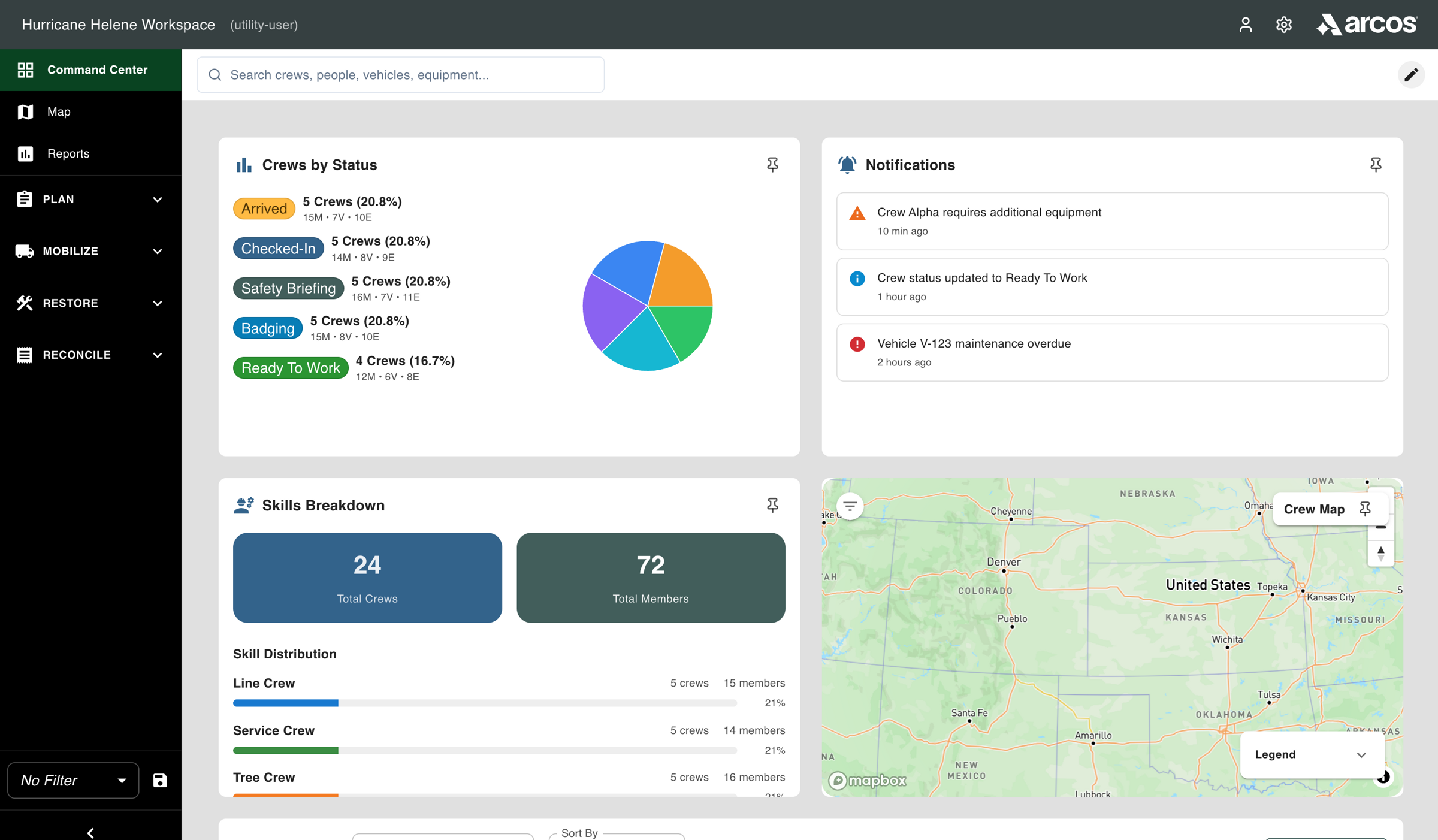
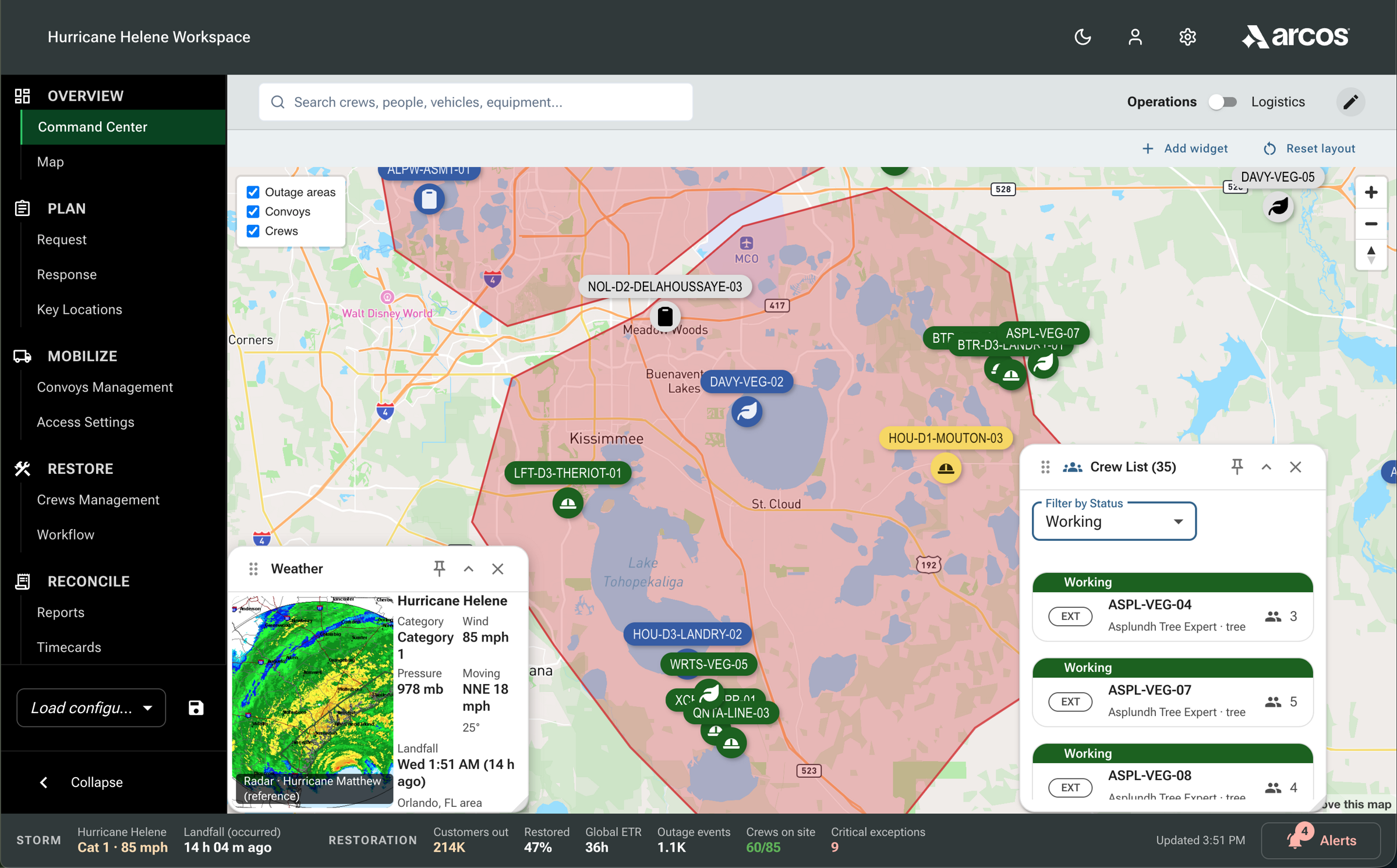
Reconstruction. · Mark 1 · early vision, created by me Reconstruction. · Mark 2 · prototype, created by me Arcos Control Tower: From Concept to Testable Prototype
I created Mark 1, my early vision of the Command Center, and Mark 2, the testable prototype. These public reconstructions show both with fictional data; the near-final Mark 3 in the study was built in three versions by two senior designers and me.
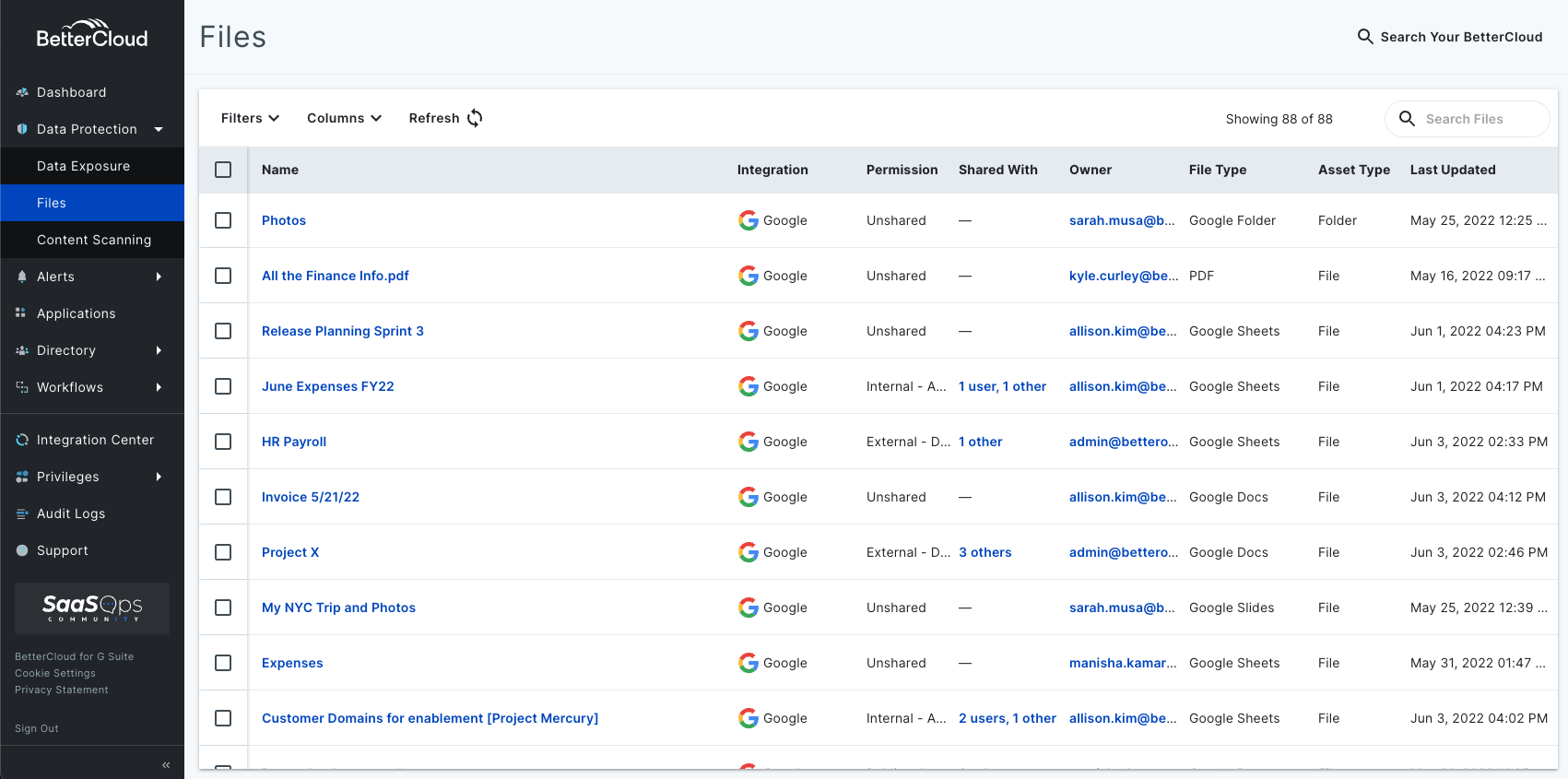
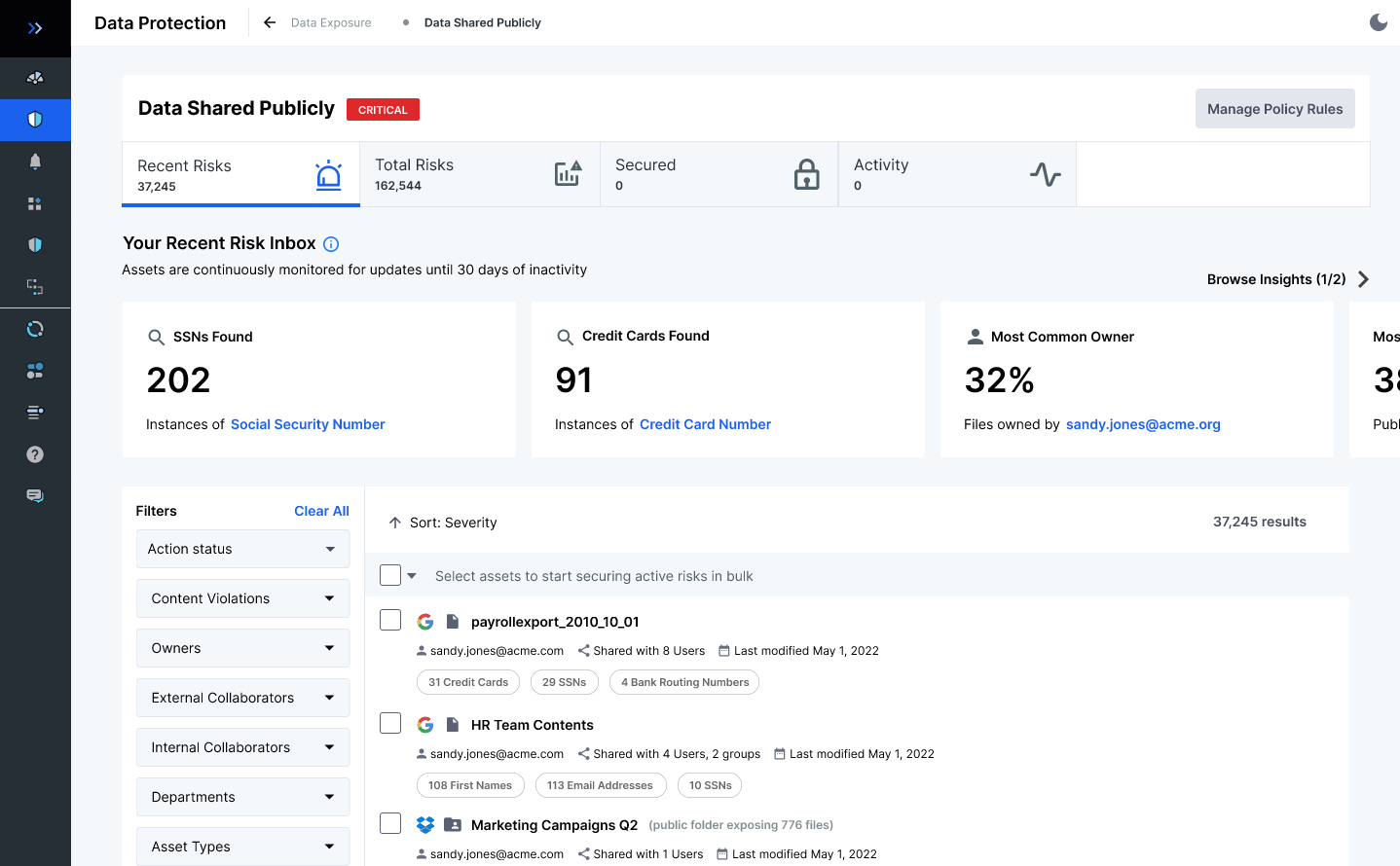
Legacy Files grid, recreated Risk inbox · later design BetterCloud Secure: From File Grid to Risk Inbox
I led the sprints and usability work behind the risk inbox’s list and inline actions, building on research I synthesized with BetterCloud’s Business Intelligence team. Allison Kim, a senior product designer, designed the charts. Parts reached beta; a backend caching issue held up the full release before the project was shelved.
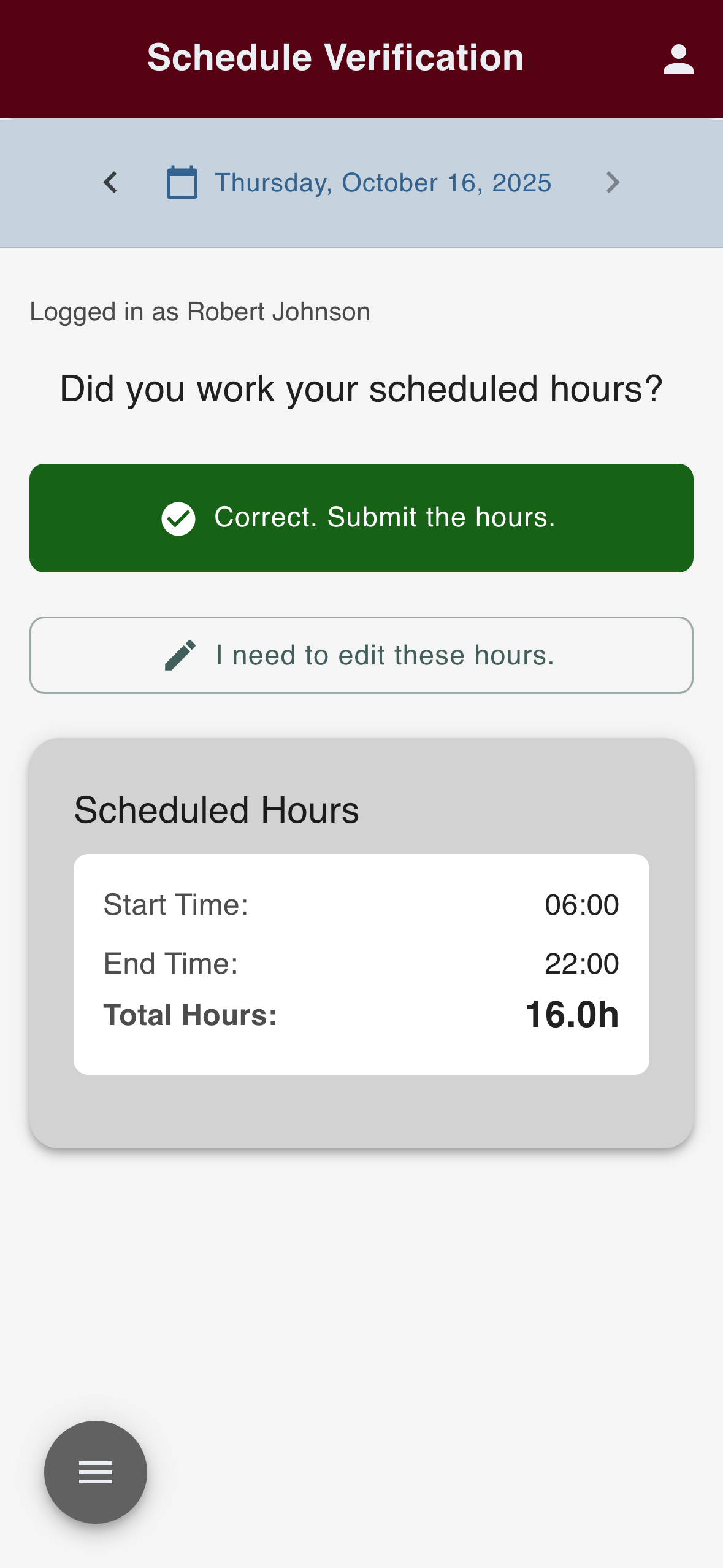
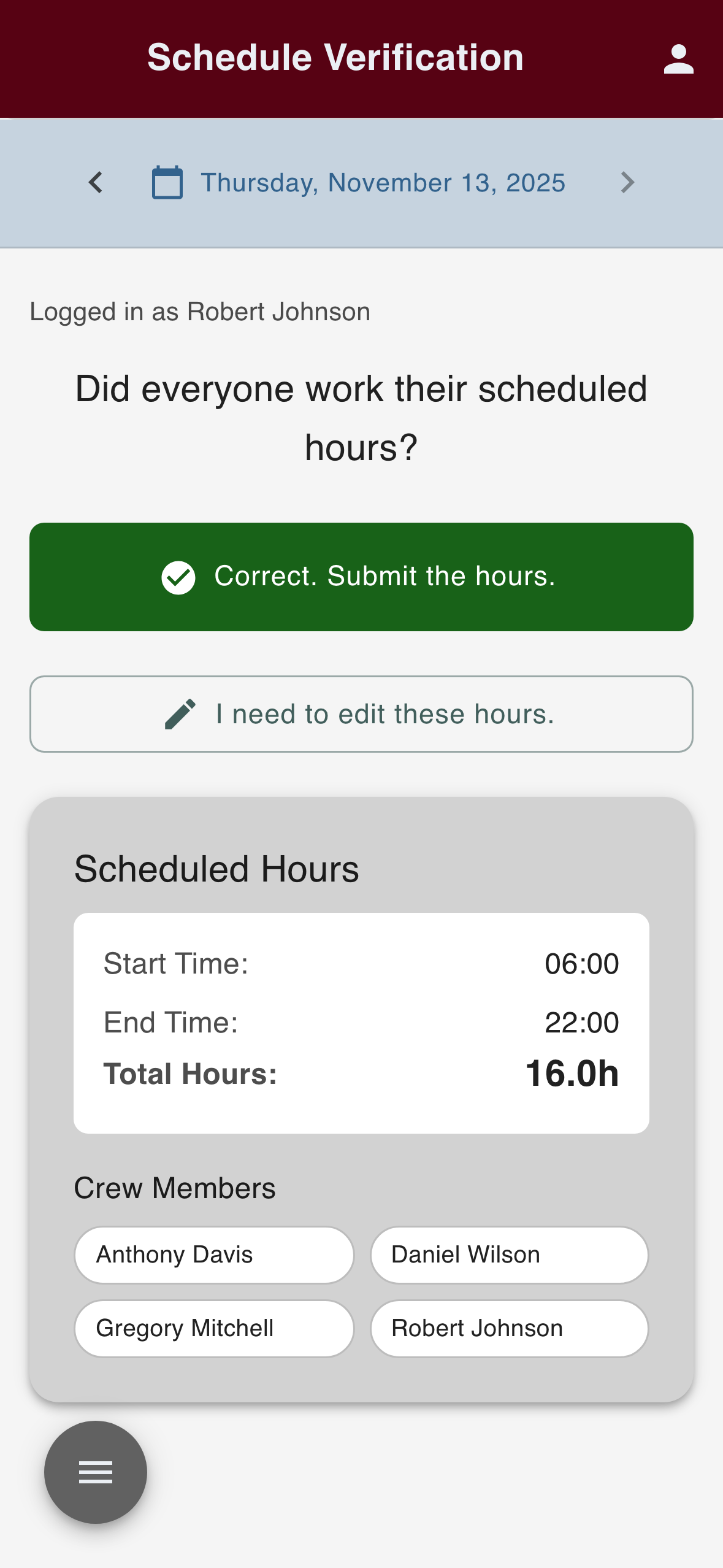
Mark 1: one person (Rodeo build) Mark 2.1: the whole crew Timecards: From One Person to the Whole Crew
I built Mark 1, the prototype linemen and foremen tested at the Linemen’s Rodeo. When they showed that the crew lead enters everyone’s time, crew entry became the start of Mark 2. The first screen is the Rodeo build; the second is Mark 2.1, the crew-entry build I made at Arcos after the Rodeo. These are original captures, separate from the public Mark 2 demo I reconstructed after leaving. Fictional names, before production code was written.
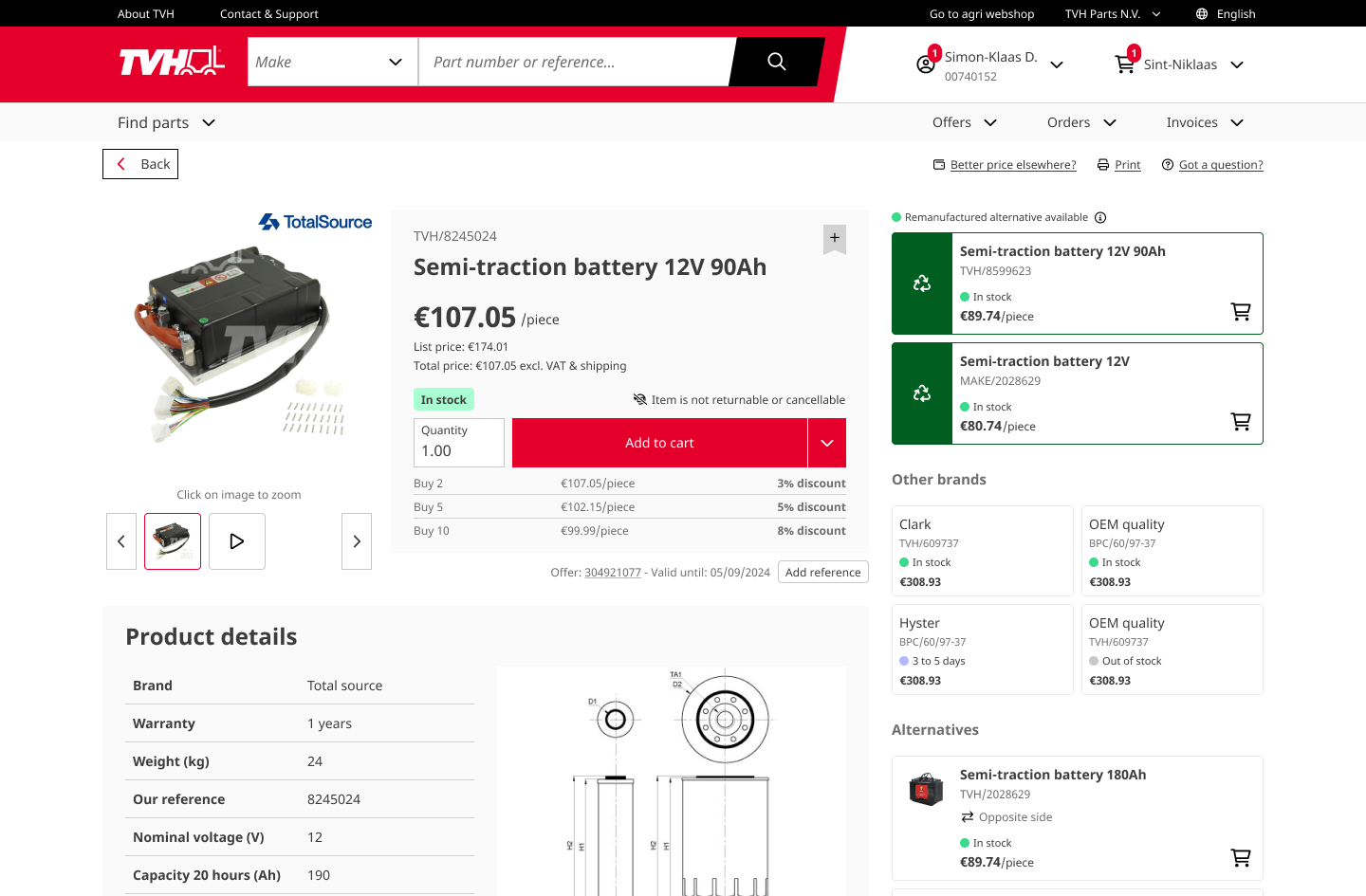
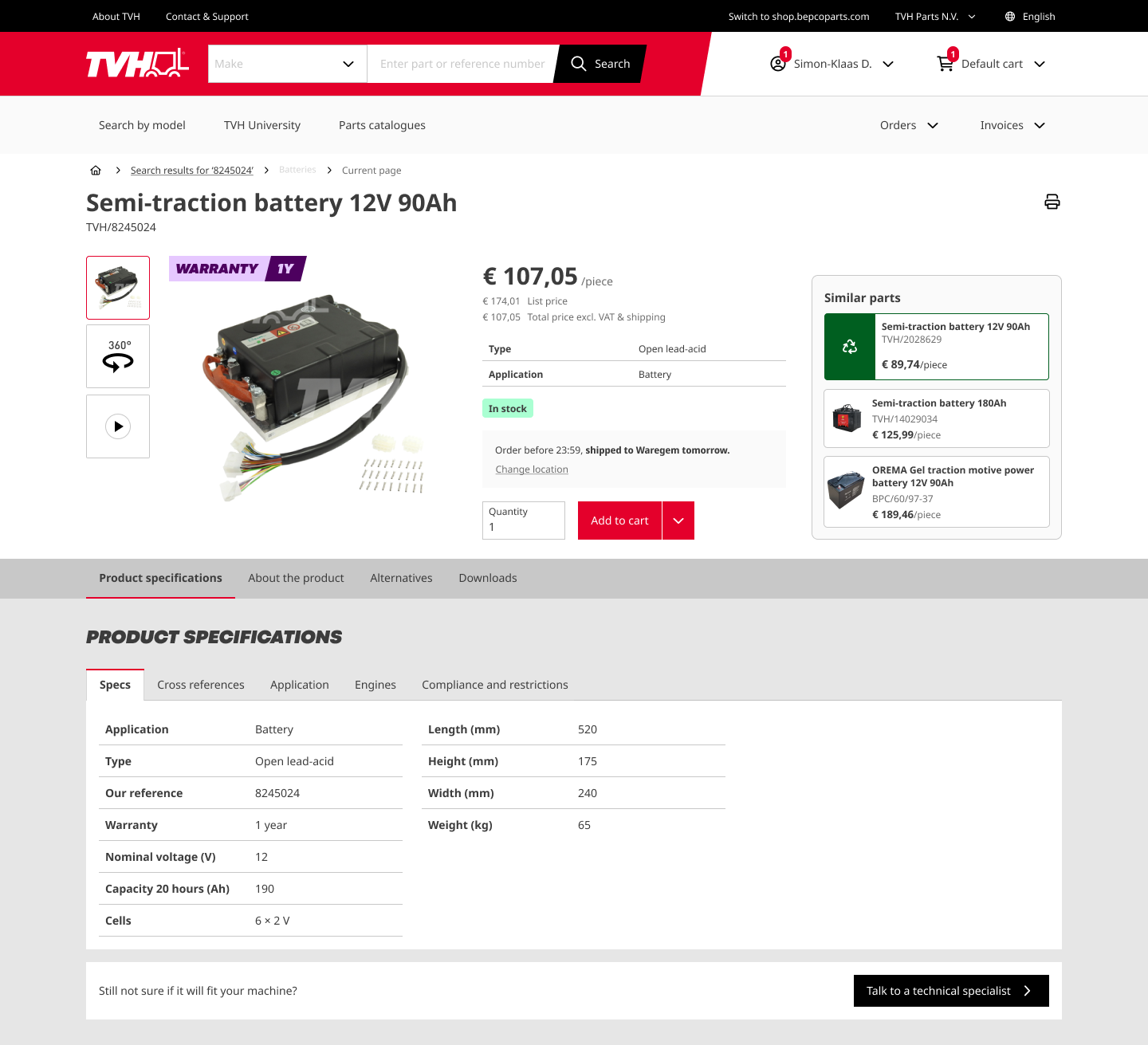
Earlier design: eShop Neo Redesign: Innovatis TVH Uplift: From eShop Neo to Innovatis
Two PDP design-file exports. I contributed low/mid-fidelity specs/details tabs alongside Geoffrey Van Meirhaeghe and Suzan, who finalized both displayed screens. I made the composite. Innovatis and cross-brand work remained in progress at my October 2024 departure; this comparison does not establish a customer release.
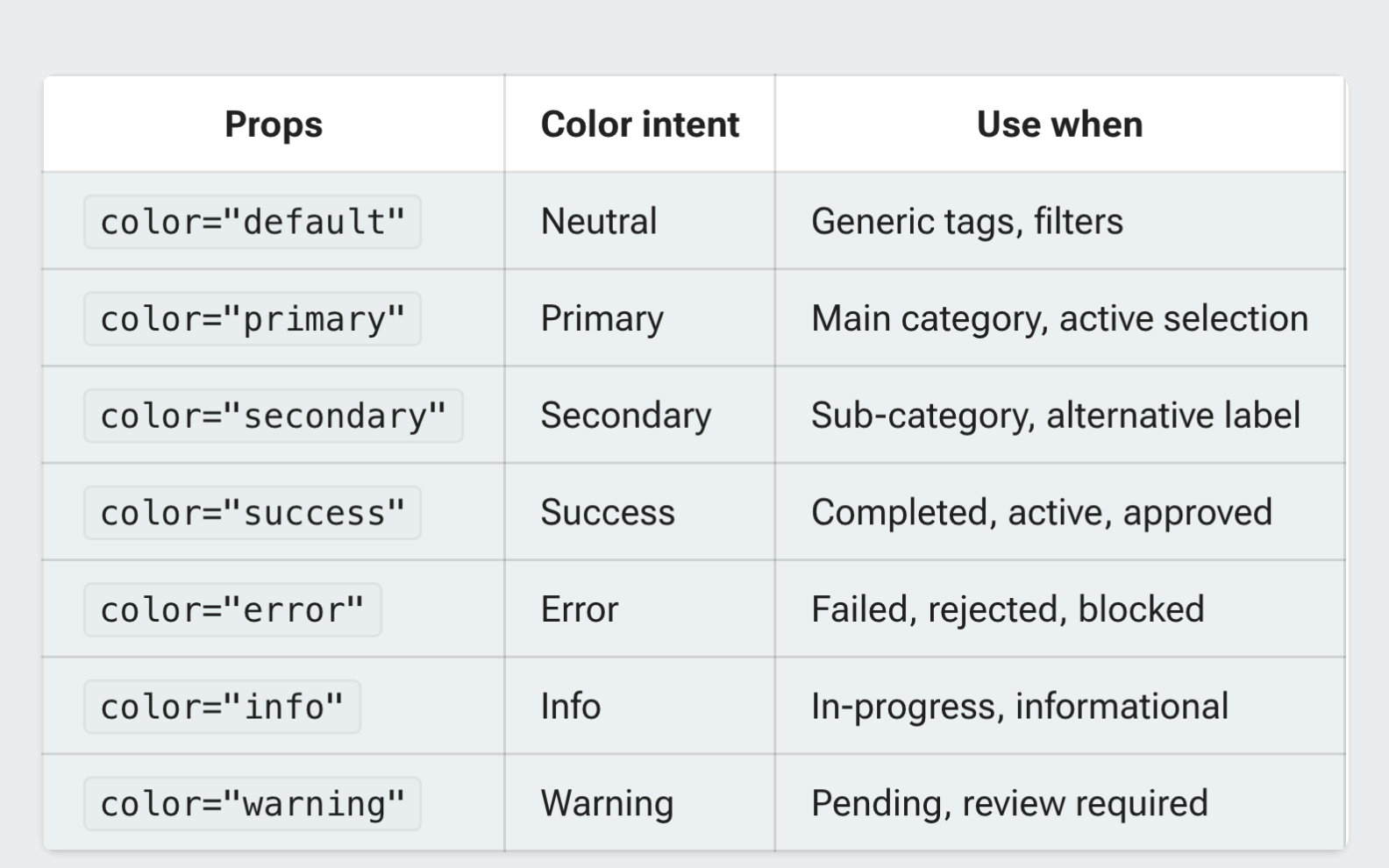
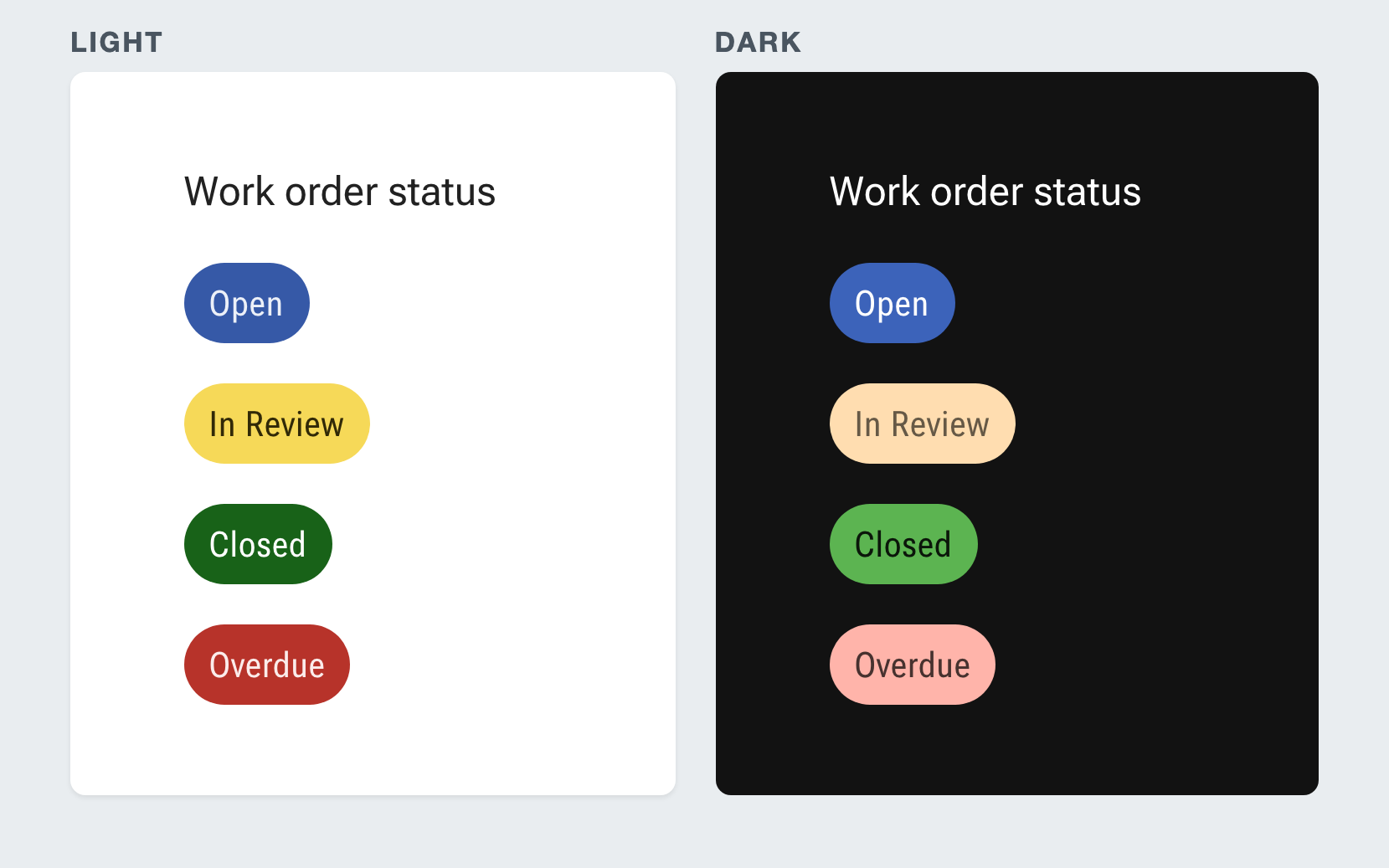
Guidance: warning means pending or review required Example: The Harmony Chip Intent example shows the same work-order statuses in light and dark themes. Harmony: One Intent, Two Themes
Harmony was intended to carry design intent to designers, engineers and AI coding agents. Harmony’s chip guidance maps color to semantic intent; warning means pending or review required. The Harmony Chip Intent example shows the same work-order statuses in light and dark themes.